

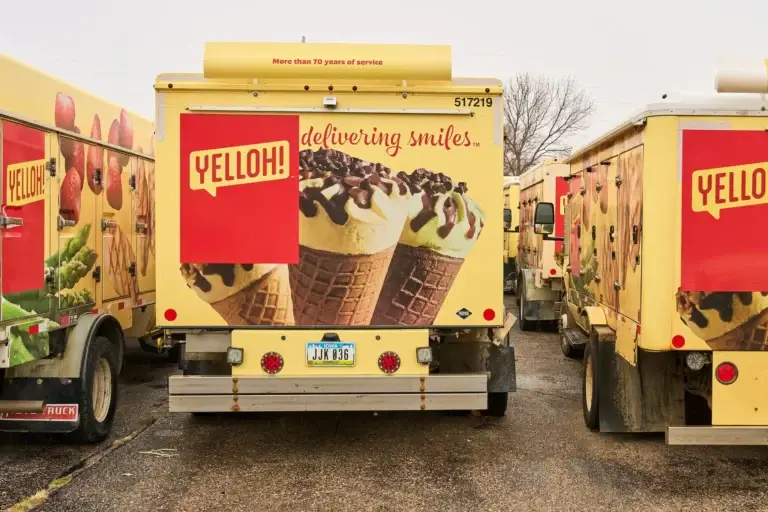
The closure of Yelloh, previously Schwan’s Home Delivery, highlights the critical risks involved in rebranding, especially for legacy companies. Rebranding can be a powerful tool to signal transformation and attract new customers, but when mishandled, it can sever emotional ties with loyal customers and leave a business struggling to recover.
Schwan’s Home Delivery was a household name synonymous with nostalgia, convenience, and trust in rural areas underserved by other food delivery services. However, the 2022 rebrand to Yelloh failed on multiple levels, including:
- Loss of Brand Equity: By abandoning the Schwan’s name, the company discarded decades of customer loyalty and positive associations.
- Lack of Customer-Centric Strategy: The rebrand didn’t resonate with the core audience, who valued the heritage and comfort the Schwan’s name provided.
- Operational Shifts: Supply chain changes and the loss of beloved products further alienated longtime customers, undermining trust.
- Market Disconnect: The outdated delivery model didn’t align with modern consumer behavior, such as online-first shopping preferences.
Best Practices for a Successful Rebrand
If your company is considering a rebrand, here are some key takeaways from Yelloh’s experience:
- Understand Your Audience: Engage your loyal customers in the rebranding process. Surveys, focus groups, and direct conversations can uncover what they value most about your brand and what changes might resonate.
- Respect Brand Equity: If you’re changing a legacy name, consider how to retain its heritage. For example, incorporating it into the new branding (e.g., “Yelloh by Schwan’s”) can bridge the gap between old and new.
- Communicate the “Why”: A clear, compelling story behind the rebrand helps customers understand the decision and buy into the vision. Without this, changes can feel arbitrary and alienating.
- Adapt to Evolving Behaviors: Stay ahead of market trends and ensure your operational model matches customer expectations. A rebrand alone cannot fix structural misalignments.
- Test and Iterate: Launch your rebrand in phases or pilot markets to gauge reaction and make adjustments before a full-scale rollout.
A rebrand is more than a name change, it’s a strategic evolution that must honor your legacy while positioning your company for future success. Yelloh’s story serves as a cautionary tale of what happens when a brand loses sight of its core customers and values in the pursuit of reinvention.
At Brandworth we specialize in crafting rebrands that connect deeply with your audience while paving the way for growth. Let’s talk about how to preserve your history while creating a brand that thrives in the future.
📧 Laura@thebrandworthagency.com 📞 +1 617-780-6485 🚀 Schedule a Consultation