

Notes From Tortola: A Week Inside Sail Caribbean
I landed in St. Thomas alongside thirty campers.
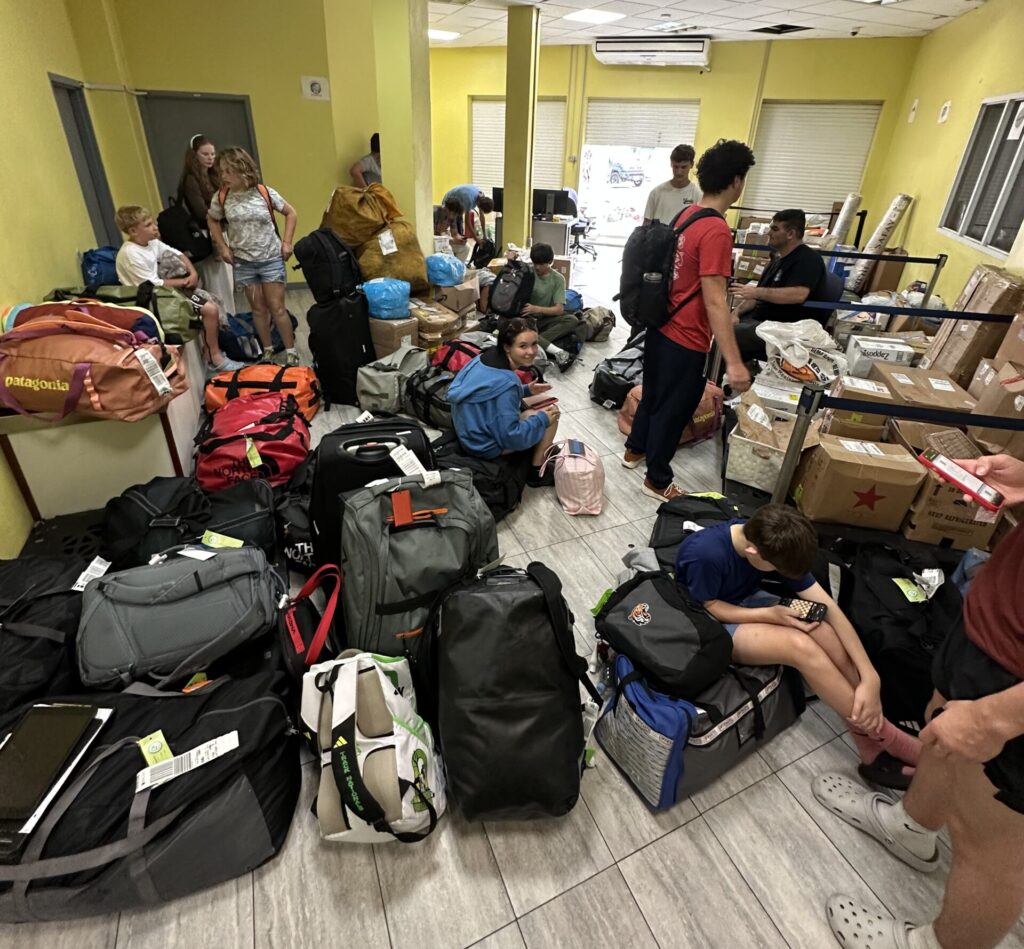
They were starting Mega Two — a 3-week live-aboard session on fifty-foot catamarans — and I was there as Sail Caribbean’s fractional marketing executive, on my way to spend a week with the team in Tortola. But before any of that started, I got to do something I don’t think enough marketers do: I made the exact trip our families make, on the exact day they make it.
We went through customs and immigration together. We caught the hour-long ferry together. I watched eleven to 18 year-year-olds who’d already been traveling for hours — some of them on their second or third flight of the day — hold it together through a new country’s entry process, a boat ride, and the particular exhaustion of finally, almost being there. It’s one thing to write marketing copy about “the journey.” It’s another to have motion-sick sea legs and a stamped passport to show for it.
The Work Doesn’t Stop When the Sun Goes Down
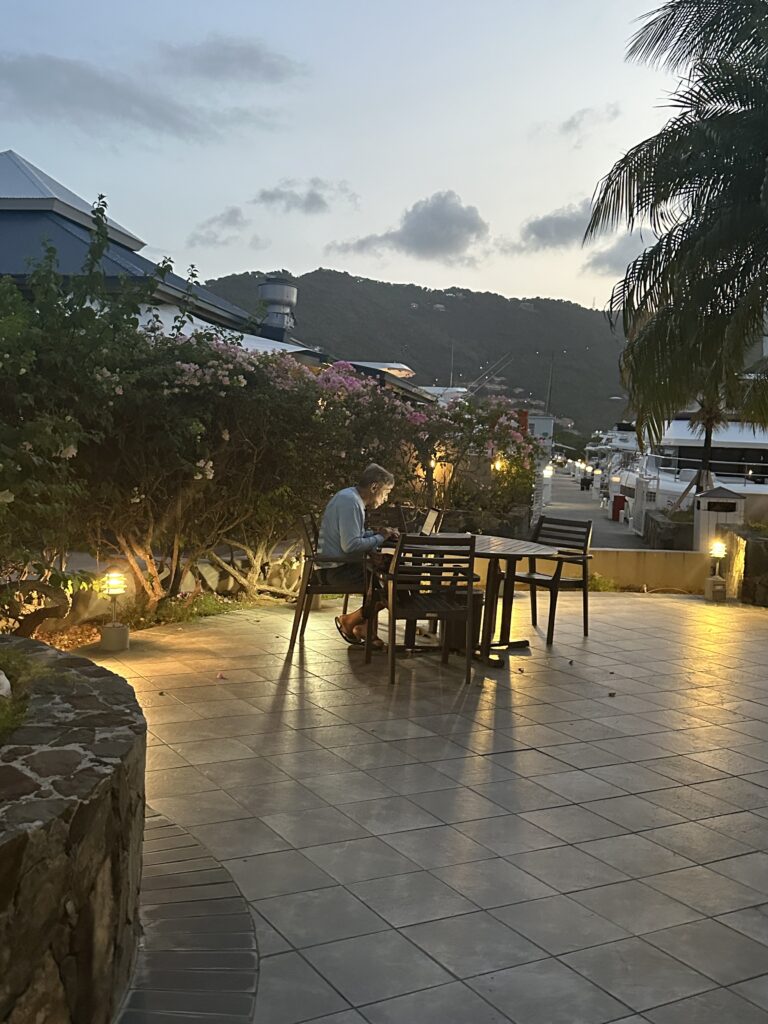
Once I was on the ground, the days ran long — mornings, afternoons, and well into the evening, sitting with the Sail Caribbean team working through the year ahead. We mapped the marketing calendar. We planned the onboarding of Sperling, the digital agency stepping in as our new partner. We argued (productively) about what’s worked, what hasn’t, and where a forty-seven-year-old camp with an extraordinarily loyal alumni base should be spending its energy next.
This is the part of fractional leadership that doesn’t show up in a case study: it’s long tables, good coffee, whiteboards that get erased and redrawn, and a team that cares enough to stay in the room for hour six of a strategy conversation.
And Then I Went and Watched the Actual Camp Happen
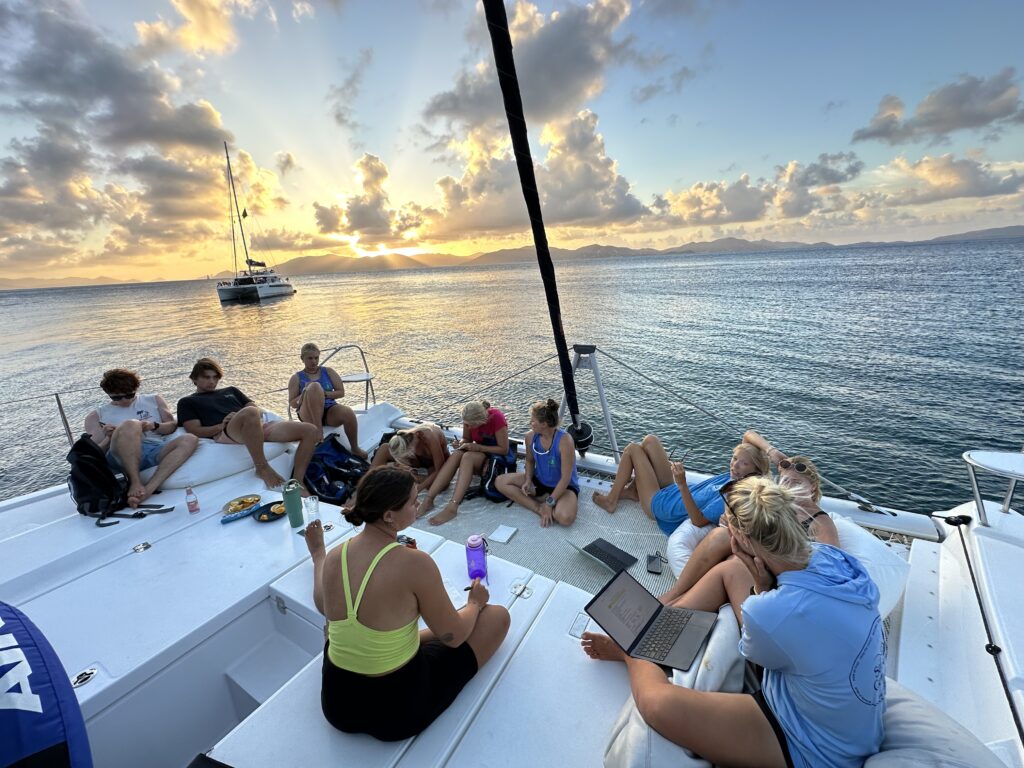
In between the planning sessions, I got to see what all of it is actually for.
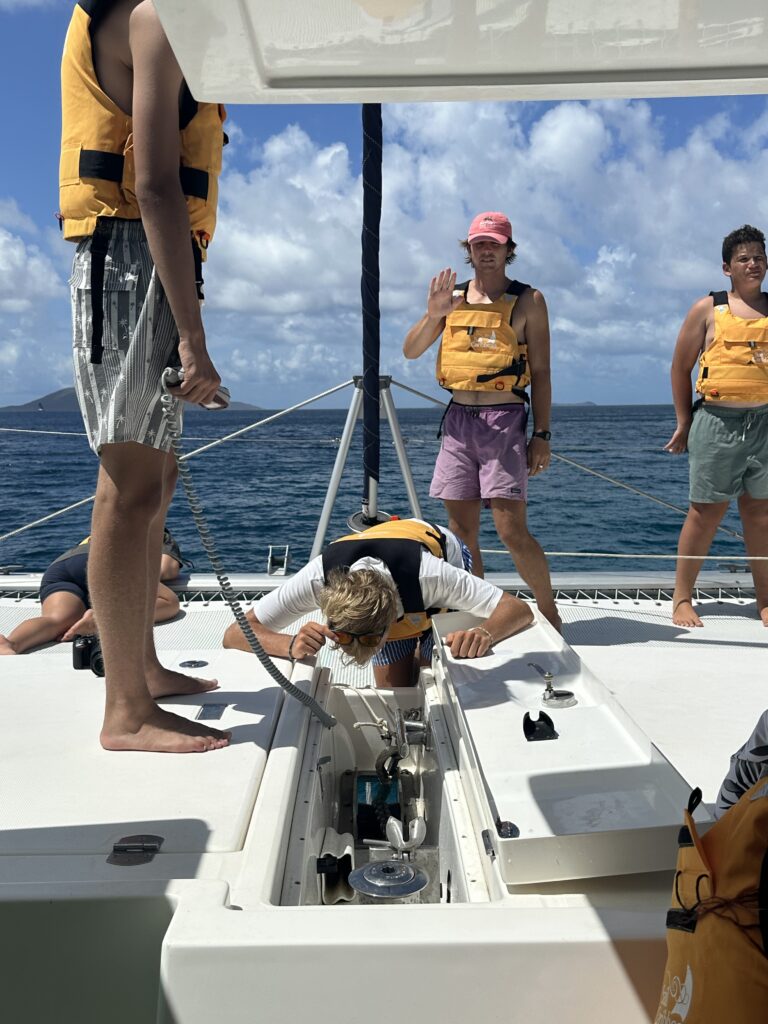
I spent time on the staff boat and sat in on staff meetings, watching the crew run a program with the kind of quiet competence that only comes from doing this for decades. I watched campers snorkel over reefs most adults will never see. I sat on a beach during a marine science session and listened to a staff instructor explain reef ecology to a group of fifteen-year-olds who were genuinely, unironically into it. I hiked Salt Island. I ate meals with campers and staff, side by side, no agenda. I lay on a boat deck at night and looked up at more stars than I’ve seen in years.
It was, honestly, amazing.
Three More Notes on Clarity
Sail Caribbean is one story. Three more, from very different corners of my summer, taught me the same lesson from different angles.
CeCarré Pizza & Provisions — Packaging
Packaging clarifies value before the product is ever tasted. Every choice — structure, typography, claims hierarchy — helps a customer understand quality, personality, and promise before they’ve taken a single bite.
Revolve Luxury Consignment — Reinvention
A rebrand works best when it doesn’t invent a new business, but gives clearer form to the one that already exists. The identity should make the company’s evolution visible, not paper over it.
Varuna Strategies — Messaging
A strong website does more than look current. It helps the right audience understand expertise, relevance, and value without having to work for it. Clarity makes confidence possible.
Four projects. One thesis.
The strongest brands become unmistakable when the customer experience, company culture, and external story all agree. Sail Caribbean lives it on the water. CeCarré prints it on the box. Revolve rebuilds it into an identity. Varuna writes it into a homepage. Different mediums, same discipline.