Two days in Los Angeles
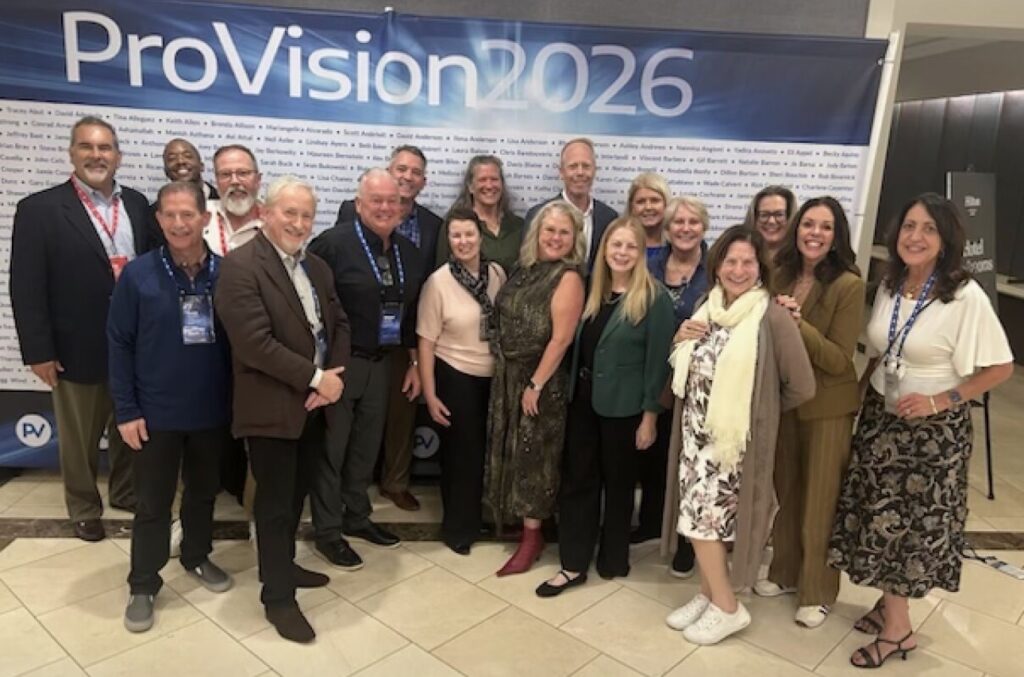
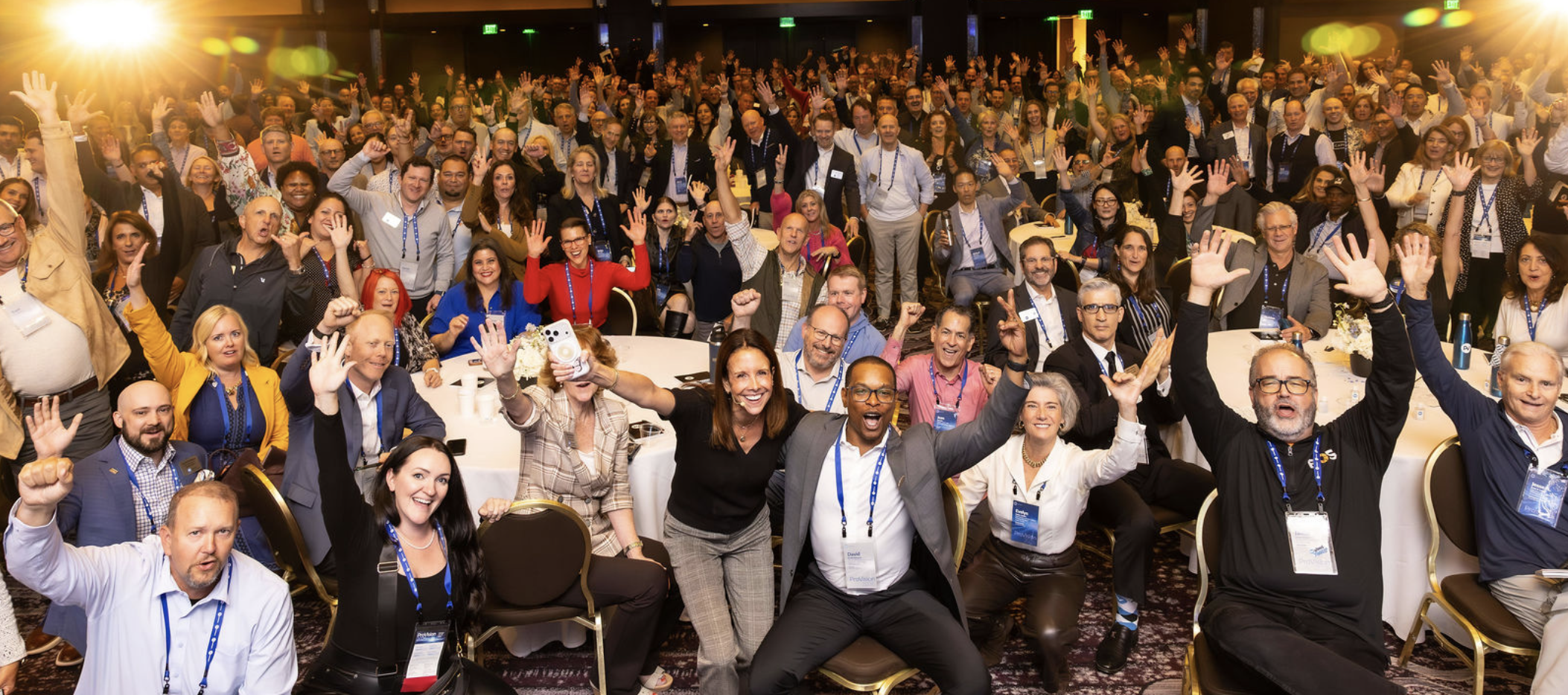
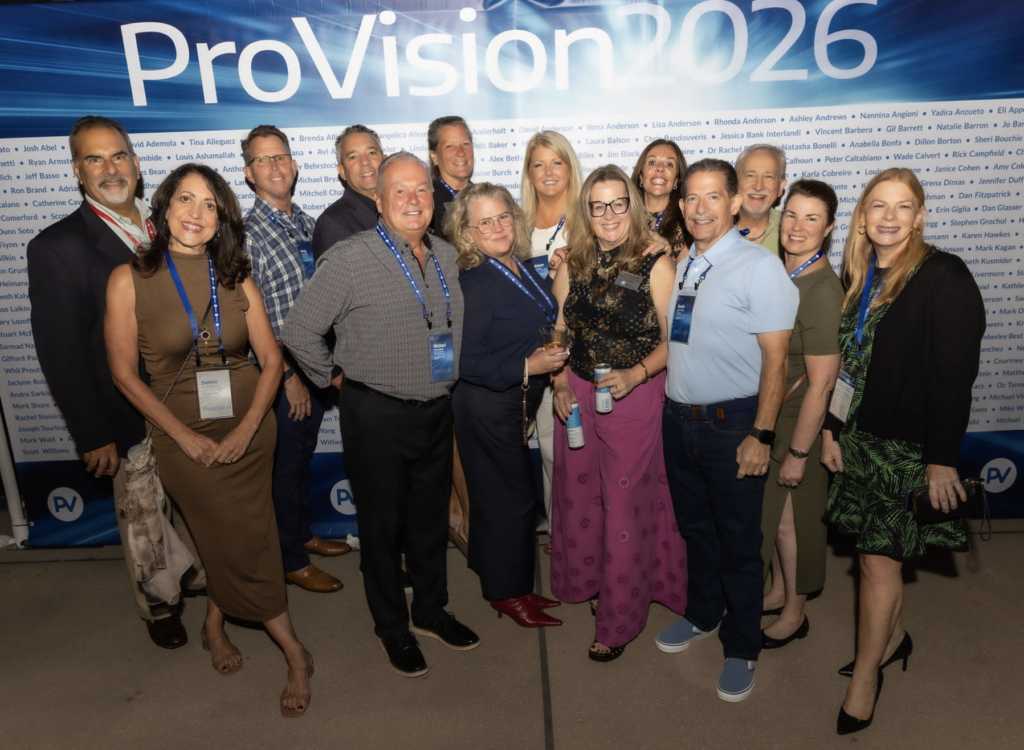
Last Sunday and Monday I was in Los Angeles for ProVision 2026, the national summit for ProVisors group leaders. Picture a hotel ballroom filled with attorneys, CPAs, wealth advisors, bankers and consultants from all over the country. Every one of them runs a group of trusted advisors in their own city.
I’ve been a group leader since July, so I was one of the newest people in the room. That turned out to be a good place to stand. When you’re new, you don’t know which questions are supposed to be obvious, so you ask all of them.
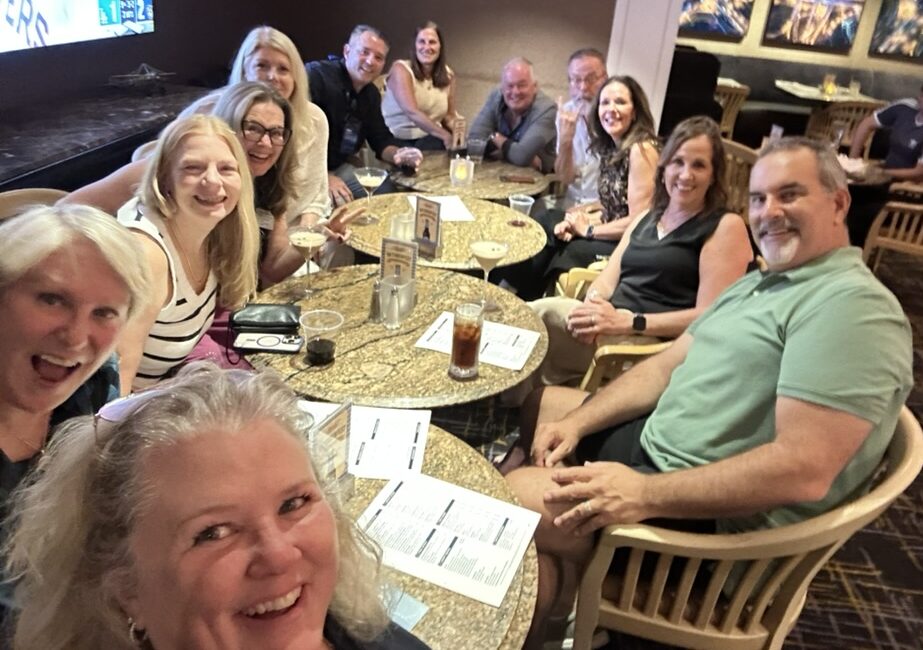
My favorite part had nothing to do with the agenda. For years I’ve known many of these group leaders mostly on a screen: a square in a Zoom meeting, a name on an introduction email, a voice on a call. This was the first time I got to shake their hands. Most of those conversations picked up as if we’d been sitting across a table from each other all along. In a way, we had.
I went to learn how to run a better group. I came home thinking about brand.
Why I said yes
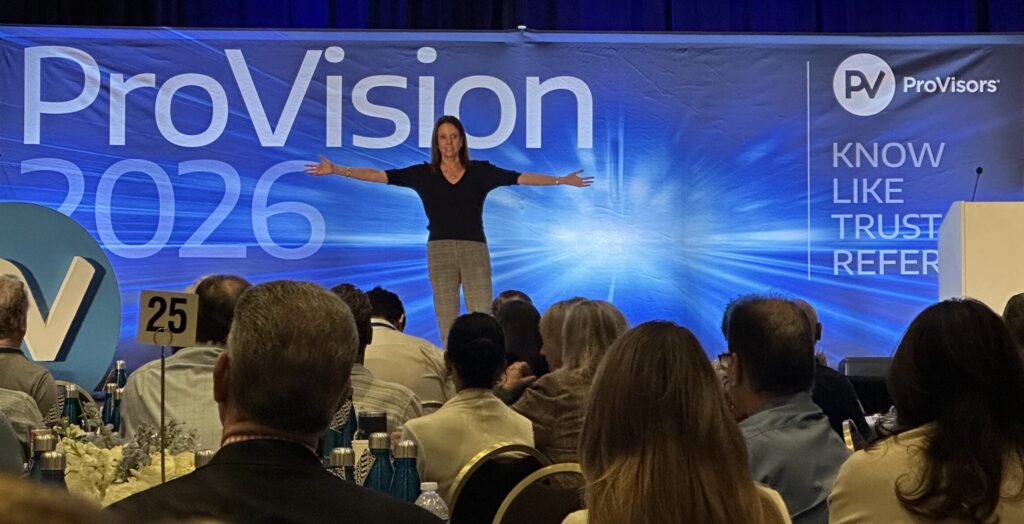
ProVisors is an invitation-only community of trusted advisors. Its whole philosophy fits in four words: know, like, trust, refer. Members meet every month, not to pitch each other, but to get to know each other well. Then, when a client needs a good estate attorney or a banker who will actually pick up the phone, they know exactly who to call. It’s the idea I wrote about this summer in Why Trust Beats Being Liked, built into an entire organization.
When I was asked to lead the Quincy group, I said yes for a simple reason. It’s the same work I do every day at The Brandworth Agency, just pointed in a different direction. I help companies get clear about who they are so the right people can find them, trust them and recommend them. A ProVisors group does that for people.
Referrals travel on clarity
Here’s what struck me over those two days. In a room full of talented people, the ones who get referred most aren’t always the most impressive. They’re the easiest to explain. It’s the gap I described in The Difference Between Being Known and Being Chosen, playing out in real time.
Think about how a referral actually happens. A client mentions a problem over coffee. Their advisor thinks, “I know someone,” and then has about ten seconds to describe that someone in a way that makes the client want to call. If the advisor can’t say what you do, who you do it for and why you’re different, the referral never leaves the table.
That’s a brand problem, not a networking problem. Your brand isn’t only what you say about yourself. It’s what other people can say about you when you’re not in the room. Every referral is your story told by someone else, so it has to be simple enough to repeat and specific enough to remember.
It’s also why those first in-person hellos in LA felt so easy. We already knew each other’s stories. Years of clear, consistent conversations on a screen had done the work, so meeting face to face felt like catching up, not starting over. That’s what a strong brand does for a business. It builds the trust before you ever walk into the room.
I hear the same thing from the companies I work with, especially at turning points like growth, a merger or getting ready to sell. The business has changed, but the story people tell about it hasn’t caught up. The value is real, but nobody outside the leadership team can explain it. Clarity creates value, and that’s just as true in a ballroom full of advisors as it is in a boardroom.
Try the referral test
Here’s an exercise I’ve started giving clients, and it’s one I’d suggest to anyone who depends on word of mouth. Ask three people who know your business well to describe what you do in one sentence. Don’t coach them. Just listen.
If the three answers sound alike and match how you see yourself, your brand is doing its job. If they’re vague, outdated or completely different from each other, the market is guessing. Guessing is expensive. It shows up as referrals that never come, prospects who aren’t a fit and a business that’s worth more than people think.
The fix usually isn’t a new logo. It’s a clear, honest answer to three questions: who you are now, who you serve best and why it matters. Get that right, and you’ve handed everyone who knows you a story they can tell.
Bringing it home to Quincy
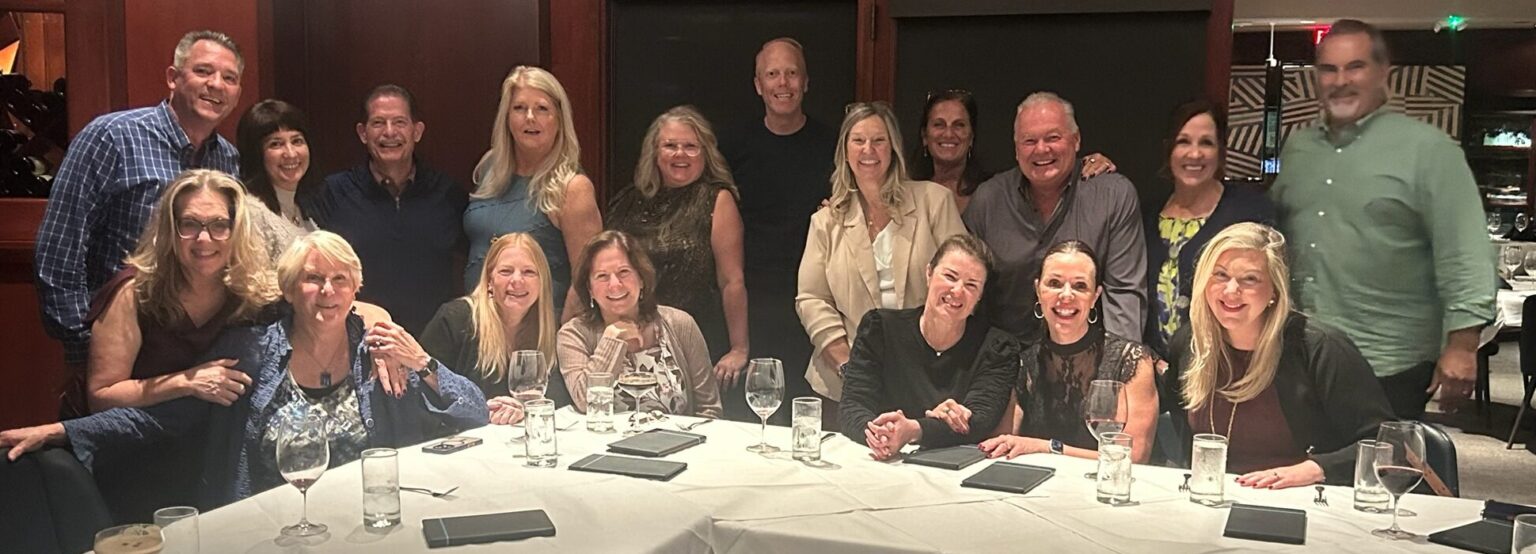
I flew home with a notebook full of ideas for our group. Some are about how we run our meetings. Most are about helping our members get to know each other well enough to make introductions with real confidence. That means helping each member explain what they do clearly enough that the rest of the room can repeat it.
We’re building ProVisors Quincy to serve the whole South Shore, including Milton, Dedham, Weymouth and Boston’s South Boston, Dorchester and Hyde Park neighborhoods. Our culture puts generosity first, curiosity over competition and relationships over transactions.
If you’re a trusted advisor who works with businesses or families, and that sounds like your kind of room, I’d love to have you join us as my guest. Get in touch, and I’ll save you a seat.
Laura Sauter is the founder of The Brandworth Agency and leads the ProVisors Quincy group. She helps leadership teams get clear on who they are now and build a brand that shows the market their real value.